
A Vision for Healthy Environments
Why Healthy Buildings Matter
We spend approximately 90 percent of our lives indoors - in our homes, workplaces, schools and leisure spaces.
Yet most buildings are not designed with human health as their primary objective.
The environments we inhabit shape our breathing, our sleep, our stress levels, our immune resilience, our relationships, our productivity and even our decision-making. Much of this influence is subtle and invisible — and therefore powerful.
We shape our buildings. Then our buildings shape us.
A healthy building is not a luxury feature. It is infrastructure for human flourishing.
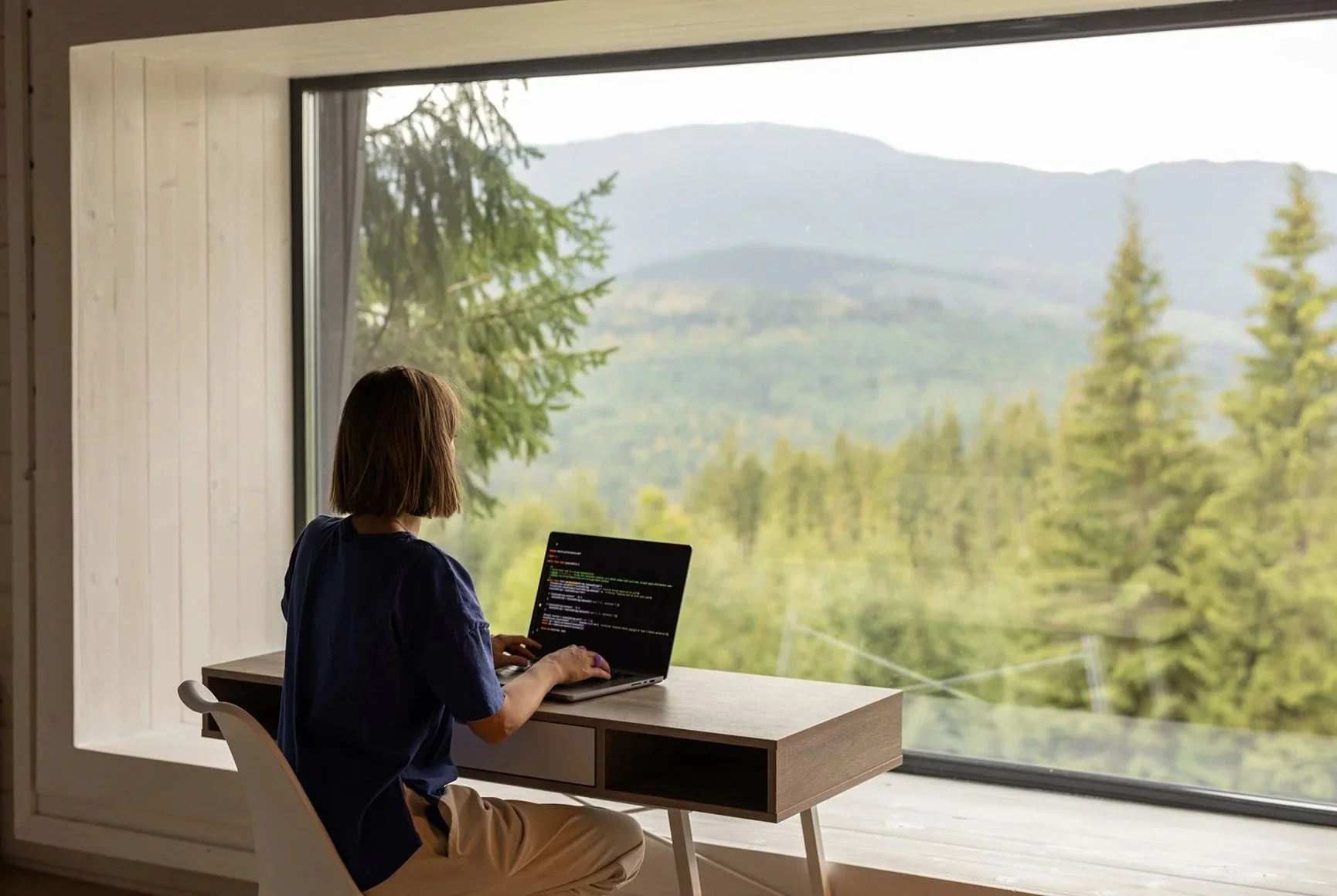
Benefits of Healthy Buildings
The benefits of strategic and early-stage healthy building design include:
Enhanced Cognitive Function: Studies have shown that occupants in well-ventilated buildings with low pollutant levels perform better on cognitive tasks.
Reduced Absenteeism: Improved indoor environmental quality leads to fewer sick days and higher productivity.
Increased Property Value: Buildings that prioritise health attract tenants and buyers seeking wellness-oriented environments.
Improved Business Performance: Investing in your employees and their happiness and productivity will help business performance quicker than investing in energy-efficient buildings, because employees are typically 90% of business operation costs. (Both are important to address.)
Better energy levels.
Reduced allergies and environmental toxin-related symptoms.
Quicker recovery for patients.
Better public health outcomes.
Better mental health through more uplifting and energising environments.
Better support for any personal preferences and needs, helping accommodate and cater for diverse populations and needs.
Read also: The ROI of Healthy Buildings for Businesses.
Implementing Healthy Building Principles
To transform existing spaces into healthy buildings, consider the following steps:
Assessment: Evaluate current building conditions using tools such as NUEN AI or Healthy Home Assessment to identify areas for improvement.
Strategic planning: Develop a comprehensive plan that addresses the core components of healthy buildings, prioritising interventions based on impact and feasibility.
Produce a detailed vision for the spatial design and enhancement.
Put the plan into action by upgrading systems, materials and practices to align with healthy building goals and priorities identified.
Monitoring: Continuously monitor indoor environmental quality and occupant feedback to ensure ongoing health benefits.
Embracing the principles of healthy building design is a proactive approach to enhancing wellbeing, productivity and sustainability.